
Hard Hats are a safety equipment essential for job sites – you can’t step foot on many construction sites without one. But do you know when and why you need to wear one? Do you know what separates a Type 2 from a Type 1 hard hat? And how do you know when you need to replace your headgear? Read on for these and more guidelines for proper hard hat use
Main Points
When should you wear a hard hat?
Hard hats must be worn in a variety of circumstances. These include, but are not limited to:-
- When you are in the vicinity of a hoist or crane
- When you are working around low-hanging structures like pipes or overhangs
- When you are exposed to electrical conductors
It is always better to wear a hard hat if you are unsure – construction sites can be unpredictable and personal safety should always be your top priority.
Hard Hat Styles, Types and Class
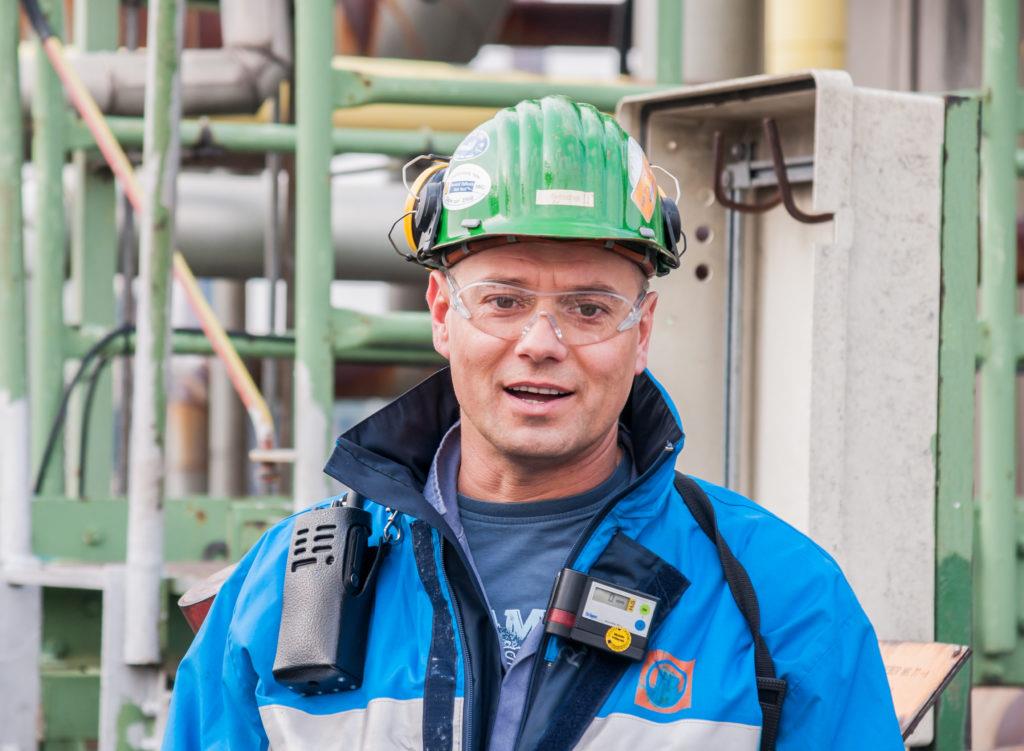
There are several styles of hard hat, and most are sufficient for basic use. The traditional baseball cap type hard hat is common because it is lightweight, comfortable and protects your face from falling objects.
A full brim style is a great option for improved protection of the ears and neck.
In addition to styles, hard hats are organised by type and class
Don’t
- Type 2: Protect against impacts to the top AND side of the head
- Class E: Provide Protection against hight voltage up to 20,000 volts
- Class G: Provide protections against voltage up to 2,000 volts
- Class C: Offer no protection against electric currents/conductors
Be sure to speak to your employer and/or job site supervisor about which type and class of hard hat are required for your duties
Care and Usage
- All hard hats must have a suspension system to absorb the impact of a falling object.
- Make sure that the hat is neither too tight, nor too loose. The proper fit will not only be more comfortable but will provide better protection.
- Do not drill holes in your hard hat to increase ventilation. This weakens the shell, which can lead to shell failure and severe injury.
- On windy days, adjust your headband to keep your hardhat secure. Chin straps are also helpful for securing your hard hat in the wind.
- In winter months, snap-in hard hat liners are a great way to stay warm without compromising safety.
- Though it may seem counterintuitive, hard hats keep you cooler in the summer, while protecting your head from the sun, and shielding sensitive skin on the scalp from harmful UV rays.
Wearing hoodies under hard hats is a common practice on job sites, especially in colder weather. However, it can pose safety risks and may violate workplace PPE (Personal Protective Equipment) guidelines. Here are some key points about hoodies under hard hats:
Potential Hazards
- Fit & Stability Issues – A hood can prevent the hard hat from sitting securely on the head, reducing its effectiveness in protecting against impacts.
- Restricted Vision & Hearing – A large hood can block peripheral vision and affect situational awareness.
- Snagging Hazard – Loose hoods or drawstrings can get caught in machinery, leading to serious injuries
- Reduced Impact Protection – Hard hats are designed to fit directly on the head or with approved liners. A hoodie creates a gap, which can affect impact absorption.
When to replace?
Like all personal protective equipment (PPE) you must inspect your hard hat and replace it with a new one regularly. As a rule of thumb, if there is anything wrong with the shell, the hard hat should be discarded and replace. If there are problems with the suspension, they can usually be repaired or replaced without needing a new dome.
Replacement is absolutely necessary when:-
- The hard hat has taken a severe impact and shows cracks or deep scratches
- It is best to replace the hat even when damage is NOT visible
- You have had the hard hat for 5 or more years (regardless of appearance)
- 2 years if the hat is regularly exposed to high temperatures, chemicals, or sustained sunlight
- The hard hat has been painted (as many paints contain chemicals that break down plastics)
- It is recommended that suspension systems be replaced every 12 months.
If the suspension system is damaged, inspect it thoroughly. If the system is simply not installed correctly, it may be possible to repair it. If there are any tears or broken parts, the suspension should be replaced. As long as the dome is not damaged, the suspension system can be fixed without replacing the entire hard hat.