
Where are you going for lunch today? And where has it been stored until it’s time to eat it?
If it’s a salmon sandwich with a creamy homemade dressing, let’s hope it’s freshly made and kept cold. If it’s a container of leftover meat, it had better not be sitting in a warm place until your lunch break.
Main Points
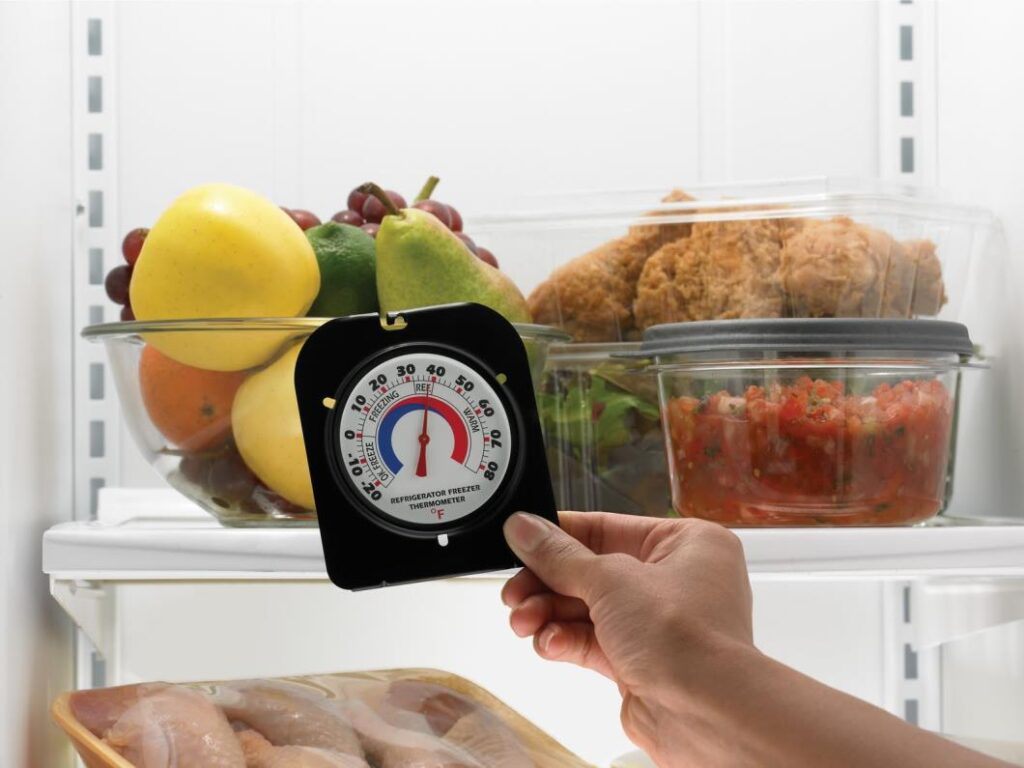
To prevent food-related illnesses, you have to keep hot foods hot and cold foods cold. This advice is even more important in warm summer weather, when foods at room temperature can spoil even more rapidly.
Cleanliness is also vital to food safety. Washing your hands and cleaning food preparation surfaces, containers and utensils can also stop the spread of foodborne diseases. There are a number of good reasons for following food safety guidelines. They are as follows:
- discomfort
- pain
- nausea
- vomiting
- diarrhoea
- cramps
- dehydration
- weight loss
- fever
- and death.
Discussion Points:
Temperature determines how quickly foodborne pathogens will grow. The danger zone is between 40 degrees Fahrenheit (4 degrees Celsius) and 140 degrees Fahrenheit (60 degrees Celsius). In this temperature range, bacteria grow rapidly. Do not eat food that has been left at room temperature for more than two hours. With warmer summer temperatures, the limit is one hour.