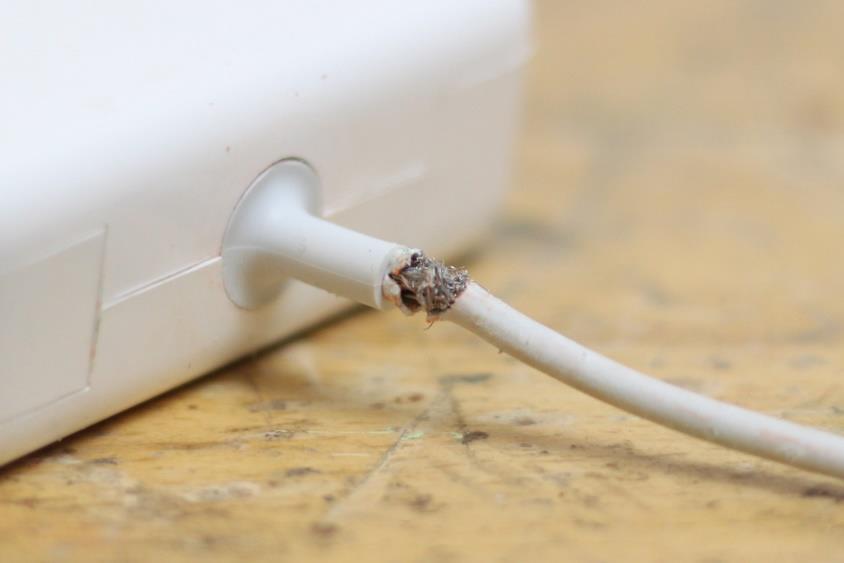

The term “Portable Electrical Appliances” includes pieces of equipment with a lead (cable), and plug which can be easily carried from place to place (e.g. grinders, vacuum cleaners, kettles, heaters) and also equipment with plugs that can be moved less easily (e.g. fridge, desktop computers)
Main Points
Every year a number of people are killed or injured as a result of using faulty electrical equipment. Injuries and deaths are caused by:-
- Direct contact with electricity (electric shock).
- An indirect accident, such as falling off a ladder following an electric shock
- Fires caused by faulty appliances
- Explosions caused by electrical appliances igniting flammable vapour or dust.
You can reduce the chance of an accident or ill health by following this advice:-
Check appliances, plugs and cables before use for any obvious signs of damage. Things to look for include:-
- Damage to the lead including fraying
- Cuts or heavy scuffing
- Damage to the plug e.g. to the cover or bent pins
- Tape applied to the lead
- Coloured wires visible where the lead joins the plug (the cable is not being gripped where it enters the plug).
- Damage to the outer cover of the equipment itself, including loose parts of screws.
- Signs of overheating, such as burn marks or straining on the plug, lead or piece of equipment
- Equipment that has been used or stored in unsuitable conditions, such as wet or dusty environments or where water spills are possible.
- Cables trapped under furniture or in floor boxes
- Report any damaged appliance, plug or cable and do not use the appliance
- Take any damaged appliances out of use straight away and lock it away if possible.
- Use hand-held appliances with a power socket protected by a 30 mA Residual Current Device (RCD) especially high risk items such as pressure washers
- If fitted to an appliance, test the RCD before using the electrical appliances to ensure it is working
- Keep the area around electrical appliances clear, specifically around vents that are in place to keep the equipment from overheating
- Keep electrical supply cables and flexes away from wet areas or from where they will be damaged.
- Avoid standing on a damp or wet surface, when using electrical equipment. Keep all electrical equipment clean and dry.
- Avoid touching equipment with wet hands as this greatly increases your risk of electric shock.
- Make sure equipment and power sockets are switched off before plugging or unplugging.
- Make sure the power cable is long enough to reach your working place without straining it.
- Know where to isolate the power to appliances in an emergency
Always inspect electrical appliances before use of any damage to the casing, lead or plug.